Musty odours, recurring marks and damp materials can indicate a moisture problem after a leak. Learn what to look for and what to do next. This guide is general information for property owners and managers in Camden, Macarthur and South West Sydney.
A persistent musty odour
Odour can remain when moisture or microbial growth is present in concealed or poorly ventilated areas.
Marks that return after cleaning
Discolouration that reappears may indicate the moisture source has not been resolved.
Swollen or soft materials
Plasterboard, skirting, cabinetry and flooring can change shape or lose strength after prolonged moisture exposure.
Condensation and high humidity
Persistent condensation can support damp conditions, especially in enclosed rooms and cavities.
Health or comfort concerns
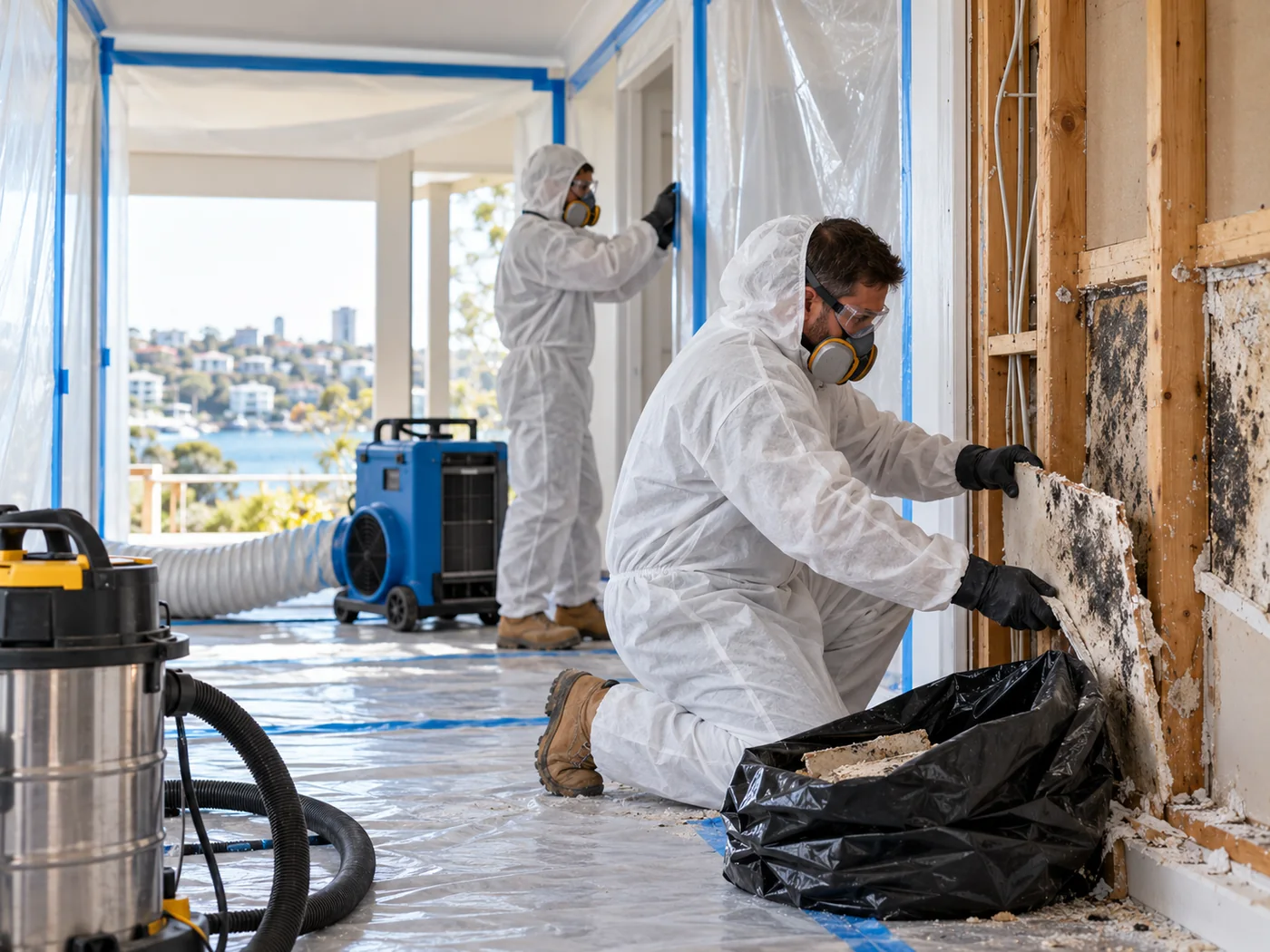
If occupants experience concerns around an affected area, avoid disturbing extensive growth and seek appropriate professional advice.
Recent leaks or flooding
A past leak can matter even when the surface now looks dry. Record what happened and identify which materials were affected.
Growth behind furniture or finishes
Low-airflow areas and concealed surfaces can hold moisture longer. Investigation should avoid spreading contamination.
Talk to Superior about the next step
Share the suburb, property type, photos and a short description of what happened. The team can discuss whether Mould Remediation is relevant and what information is needed before a scope can be confirmed.
For emergencies involving electricity, structural instability, fire or contaminated water, keep people clear and contact the appropriate emergency or qualified service first.
 CHAT ON WHATSAPP